Best cleaners for properties on Lupus Street, Pimlico
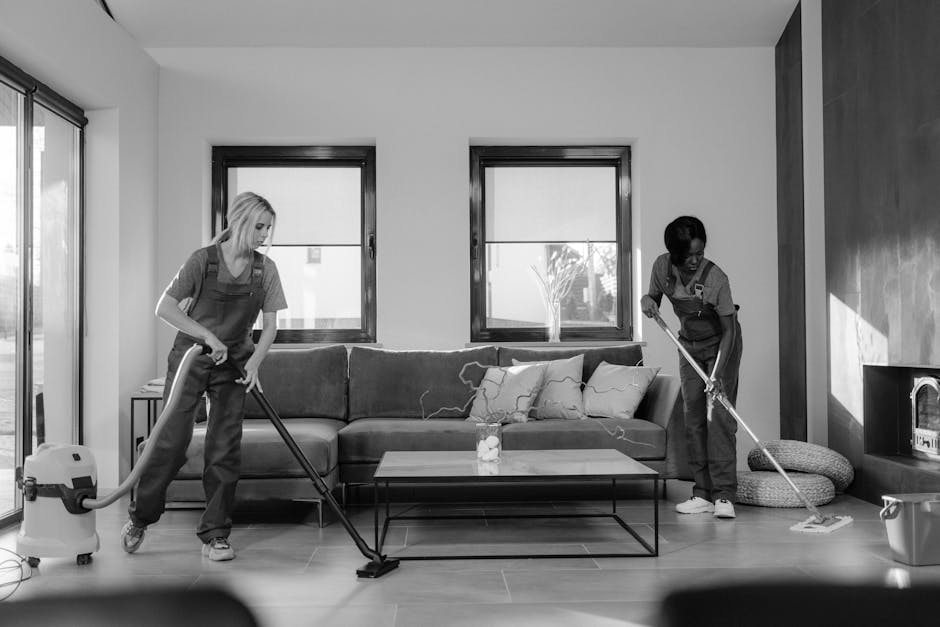
If you live, let, or manage a property on Lupus Street, you already know the rhythm of the area: elegant terraces, busy pavements, period homes, and the constant need to keep everything looking sharp without creating hassle. Finding the best cleaners for properties on Lupus Street, Pimlico is not just about making a place look tidy for five minutes. It is about choosing a service that fits the building, the occupants, the pace of life, and the standard people expect in this part of central London.
That sounds simple enough, but in practice it rarely is. A one-size-fits-all cleaner can leave you with missed details, rushed rooms, or the wrong method for a delicate floor, a tired carpet, or a busy rental turnaround. In this guide, we will look at what really matters, how to compare options properly, and how to avoid the usual headaches. You will also find practical checklists, real-world examples, and a few small but important details that often get overlooked. Let's face it, cleaning sounds straightforward until you need it done well, on time, and consistently.
Why Best cleaners for properties on Lupus Street, Pimlico Matters
Lupus Street sits in a part of Pimlico where presentation matters. Properties here are often seen by guests, tenants, buyers, neighbours, delivery staff, tradespeople, and passers-by. That means cleaning is doing more than removing dust. It is protecting the feel of the property, preserving finishes, and supporting the kind of first impression that people remember in seconds.
For owners, landlords, and residents, the right cleaner can also reduce friction. A good clean before a viewing, after a tenancy change, or ahead of a family visit saves time and stress. A poor clean, on the other hand, tends to show itself in the worst places: behind taps, along skirting boards, around hob edges, on window tracks, under sofas, and in the corners nobody wants to crouch down and check. The little things matter. They really do.
There is also the local angle. In central London, properties often deal with more foot traffic, more dust from roads and works, and tighter schedules. If a cleaner understands that a one-bedroom flat above a busy street needs a different approach from a larger family home, you are already halfway there.
Expert takeaway: the best cleaning service is not the one that simply "does the job"; it is the one that matches the property type, frequency, access needs, and finish level you actually need.
How Best cleaners for properties on Lupus Street, Pimlico Works
At a practical level, choosing the best cleaners for properties on Lupus Street, Pimlico comes down to four things: scope, method, timing, and consistency. Scope means what gets cleaned. Method means how it gets cleaned. Timing means when the work is done and how access is handled. Consistency means whether the standard holds up visit after visit, not just on the first day.
A strong cleaning service usually starts with a short assessment. That might be done over the phone, by message, or during a walkthrough. The key is clarity. Are you asking for regular domestic cleaning, a one-off deep clean, end of tenancy cleaning, move-in cleaning, or something more specialist such as carpet or upholstery work? Each of those needs a different plan. A well-run team should be able to explain what is included and what may need to be added.
For example, a regular clean in a lived-in flat might focus on dusting, bathrooms, kitchens, vacuuming, floors, and touchpoints. A deep clean may go much further: inside appliances, detailed bathroom descaling, behind accessible furniture, and more intensive attention to buildup. If the property has been empty, recently renovated, or had trades on site, a cleaner may need to use a service like deep cleaning or after builders cleaning rather than a standard visit.
Timing matters because Lupus Street properties often have access quirks. Tight stairwells, controlled entry, limited parking, and resident routines can all affect how smoothly a clean goes. The best providers plan around that instead of treating it like a surprise. Small thing, but it makes a big difference.
Key Benefits and Practical Advantages
The obvious benefit is a cleaner property. Fair enough. But the real value goes deeper than that. When cleaning is done properly, you tend to get fewer complaints, less wear on surfaces, and a more comfortable place to live or work in. That matters whether the property is owner-occupied, rented, or used as short-stay accommodation.
- Better presentation: a neat, well-finished property feels cared for, which helps with viewings, check-ins, and everyday comfort.
- Less stress: a reliable cleaner removes a task that otherwise keeps circling back every week. You know the one.
- Longer-lasting surfaces: regular care helps protect flooring, upholstery, and fittings from buildup and premature wear.
- Improved hygiene: kitchens, bathrooms, handles, and high-touch areas stay in better condition between major cleans.
- More consistent standards: once the right routine is in place, the property stops swinging between "fine" and "oh no".
There is also a practical benefit that gets missed a lot: a cleaner who understands prioritisation. In real life, not every room needs equal attention every time. Sometimes the hallway is where the first impression lives. Sometimes it is the shower screen. Sometimes it is the oven door. A good service knows where to focus.
If you manage multiple properties or a busy household, this consistency can become a genuine operational advantage. One less thing to chase. One less thing to check again. And yes, that can feel like a small miracle some weeks.
Who This Is For and When It Makes Sense
This kind of cleaning is useful for a wide mix of people on and around Lupus Street. Some need it every week. Others only need help at key moments. To be fair, that is often where the best value sits: matching the service to the actual situation, not assuming you need the biggest package available.
Homeowners often want help keeping a flat or house in shape without spending evenings or weekends chasing chores. That is especially true in compact London properties where dust, cooking marks, and bathroom buildup appear faster than you would like.
Landlords and letting agents may need move-in or move-out cleaning between tenancies. A property can look "okay" at a glance and still fail a closer inspection if the fridge shelves, skirting boards, or bathroom fittings are not properly addressed.
Short-let hosts usually need speed, consistency, and readiness for the next guest. In that setting, Airbnb cleaning and regular cleaning are often the most useful options because they support repeat turnaround without constant rebriefing.
Busy professionals want predictability more than anything. If you are leaving early, returning late, and using the home as a place to switch off, a cleaner who can work quietly, carefully, and on schedule becomes part of the rhythm of the week.
There are also moments when a specialist service makes more sense than general cleaning. Think about post-renovation dust, stubborn carpet marks, pet odours, or a sofa that has simply had too many years of everyday life. That is where services such as carpet cleaning, sofa cleaning, or pet stain odour removal can make the difference between a surface that looks passable and one that actually feels fresh.
Step-by-Step Guidance
If you want to choose the best cleaners for properties on Lupus Street, Pimlico without overthinking it, use a simple process. It keeps the decision clear and stops you getting sold something that does not fit.
- Define the property type and goal. Is it a family home, rental flat, short-let, vacant property, or office space? Then ask what the main outcome should be: weekly upkeep, deep reset, tenancy handover, or presentation before guests arrive.
- List the rooms and problem areas. Kitchens, bathrooms, floors, windows, appliances, upholstery, and high-touch points should be noted. If there is a stubborn issue, say so plainly.
- Choose the right service format. A one-off clean may suit a reset. A house cleaning or domestic cleaning arrangement may be better if you need ongoing support. For empty properties, move out cleaning or move in cleaning usually makes more sense.
- Check what is included. Ask for the checklist. Not the glossy version, the actual checklist. Does it cover inside appliances, limescale, removable shelves, interior windows, or only surface cleaning?
- Confirm access and timing. Key holding, concierge entry, resident schedules, parking limitations, and lift access all affect the practical side. Better to sort this early than have a cleaner standing outside at 8 a.m. waiting for a call back.
- Agree on standards and follow-up. Good services invite feedback and correction where needed. That is a healthy sign, not a weakness.
If you are comparing providers, ask one question that cuts through a lot of noise: "What would you clean differently in a Lupus Street property compared with a generic London job?" A thoughtful answer usually tells you far more than a polished sales pitch.
Expert Tips for Better Results
In our experience, the best results come from clear expectations and small bits of preparation. Nothing dramatic. Just the kind of common-sense detail that prevents the clean from starting in the wrong direction.
- Book to the property's reality, not the ideal version of it. If the flat has hard-water marks, narrow access, pets, or a lot of glass, say so early.
- Prioritise finish-sensitive areas. On many Pimlico properties, floors, bathrooms, painted woodwork, and windows do a lot of visual work. They deserve proper attention.
- Ask about products. Some surfaces do better with pH-neutral or specialist solutions. If you have stone, treated wood, upholstery, or delicate fabrics, this matters more than people think.
- Schedule cleaning before things tip over. A small, regular service is often easier to maintain than a huge rescue clean every few months.
- Keep a short property brief. One page is enough. Include access notes, priorities, areas to avoid, and anything fragile. It saves repeated explanations later.
And here is a small but useful tip: if something in the property always gets missed, do not just complain about the miss. Point to the pattern. "The shower door and extractor fan are the recurring problem." That sort of feedback helps a cleaning team adjust properly instead of guessing.
Another practical point. If you are preparing for guests or a tenancy handover, a few minutes of decluttering before the cleaner arrives can make the result look far better. Not because the cleaner is doing less, but because they can focus on the actual clean instead of moving half the living room. A tiny effort, big payoff.
Common Mistakes to Avoid
One of the biggest mistakes is choosing purely on price. Cheap can be fine when the scope is tiny and the standard expected is modest. But for a property where presentation matters, the lowest quote often means less time, fewer tasks, and less consistency. Sometimes that works out. Often it doesn't.
Another common issue is vague booking notes. "General clean" sounds easy, but it can mean wildly different things to different people. One person imagines an oven shine and polished taps. Another imagines floors and bins only. If the brief is loose, disappointment usually follows.
People also underestimate specialist jobs. A tired oven, stained carpet, or build-up on upholstery is not always fixed by standard cleaning. That is when focused services like oven cleaning, steam carpet cleaning, or upholstery cleaning are worth considering.
Other mistakes crop up in the less glamorous bits:
- not checking insurance or safety arrangements
- assuming every surface can be cleaned the same way
- forgetting to mention pets, access codes, or parking limits
- waiting until the property is already under pressure before booking
- failing to agree what "done" actually means
Truth be told, most cleaning problems are communication problems wearing a cleaning uniform. That sounds a bit blunt, but it is often true.
Tools, Resources and Recommendations
You do not need to become a cleaning expert to choose well, but it helps to know what good practice looks like. A reputable provider should be able to explain the tools and methods they use in plain English. They do not need to give you a chemistry lesson, thankfully, but they should be comfortable talking about suitability.
For example, properties with mixed surfaces may need different cloths, vacuum attachments, and products for glass, sanitaryware, floors, and upholstery. A sensible service should also be able to say when a method is not appropriate. That kind of caution is reassuring, not awkward.
If the property has broader maintenance needs, you may also want to consider supporting services such as window cleaning, hard floor cleaning, rug cleaning, or mattress cleaning. These are not always essential, but they can be useful when you want the whole property to feel genuinely refreshed rather than just tidied.
If you manage communal or shared buildings near Lupus Street, services like communal area cleaning and commercial cleaning may be more relevant than domestic cleaning alone. Hallways, entry points, lift lobbies, and shared touch areas need a slightly different rhythm and attention pattern.
Useful recommendation: ask for a written service summary before the first visit. It does not have to be formal or heavy. Just enough detail that both sides know what "good" looks like.
Law, Compliance, Standards, or Best Practice
For cleaning on or around Lupus Street, you do not usually need to worry about complicated regulations as a customer, but you should still expect sound professional practice. That means cleaners working safely, using appropriate products, handling access responsibly, and respecting the property and its occupants.
On the provider side, a trustworthy business should have sensible health and safety measures, appropriate insurance arrangements, clear complaint handling, and fair terms. You do not need to audit everything yourself, but it is reasonable to ask. If something goes wrong, you want a company that has thought about how to respond before the problem arrives.
It is also sensible to check how products are used in occupied homes. Some residents may be sensitive to strong fragrances or certain substances. Good practice is to use products carefully, ventilate where needed, and avoid leaving damp surfaces or residues that create slip or irritation risks.
For tenants and landlords, cleaning expectations can also intersect with the wider condition of the property at move-in or move-out. The safest approach is to keep it practical: document what is included, what the condition was before the clean, and whether any specialist work is needed. That avoids crossed wires later. Not glamorous, but useful.
If you want reassurance about business standards, it helps to review pages such as insurance and safety, health and safety policy, and terms and conditions. You may never need them in day-to-day life, which is exactly the point. When a service has clear policies, things tend to run more smoothly in the background.
Options, Methods, or Comparison Table
Different properties need different approaches. If you are not sure which type of clean fits best, this comparison can help you narrow it down. It is not about choosing the fanciest service; it is about choosing the most appropriate one.
| Option | Best for | Typical strengths | Watch-outs |
|---|---|---|---|
| Regular cleaning | Occupied homes and ongoing upkeep | Consistency, routine, lower stress | May not tackle heavy buildup |
| One-off cleaning | Occasional resets or post-event refreshes | Flexible, useful for catch-up work | Can vary if brief is not clear |
| Deep cleaning | Properties needing a full reset | More detailed, more thorough | Usually takes longer and costs more |
| Move-in cleaning | Before new occupants arrive | Fresh start, presentation ready | Needs access and timing to be exact |
| Move-out cleaning | End of tenancy or handover | Focuses on leaving the property in strong condition | Requires careful scope and standards |
| Specialist add-ons | Carpets, sofas, ovens, floors, stains | Targets specific problems well | Only useful if the issue is actually there |
For many Lupus Street properties, the winning combination is not one service, but a sensible mix. A regular cleaner handles the weekly rhythm. Then, every so often, specialist support comes in for the things that need more muscle or more technique. That is usually the least stressful way to keep a property looking genuinely cared for.
Case Study or Real-World Example
Imagine a second-floor flat on Lupus Street occupied by a busy professional couple. During the week, the place stays reasonably tidy, but by Friday the kitchen surfaces need attention, the bathroom has visible limescale, and the hallway picks up road dust from repeated comings and goings. Nothing extreme. Just life.
They start with a regular cleaning arrangement, once a week, with a short written brief: kitchen, bathroom, floors, visible dust, touchpoints, and occasional oven refreshes when needed. After the first two visits, they notice something interesting. The flat does not just look cleaner; it feels easier to live in. They stop doing those rushed "we should really clean this later" conversations on Sunday evening.
A few months later, ahead of visitors staying over, they add a one-off deeper clean. The focus shifts to skirting boards, the shower screen, inside appliances, and a more detailed finish in the living area. It is not dramatic, but the difference is obvious when you walk in. The space feels reset, not merely maintained.
That is the real lesson. The best cleaners for properties on Lupus Street, Pimlico are usually the ones that match the property's changing needs over time. A home does not stay static, and neither should the cleaning plan. A little flexibility goes a long way.
Practical Checklist
Use this checklist before booking or renewing a cleaning service. It keeps things clear and saves a surprising amount of back-and-forth.
- Identify the property type: home, rental, short-let, office, or communal space.
- Decide the main goal: routine upkeep, deep clean, handover, guest-ready finish, or problem-specific treatment.
- List priority areas: kitchen, bathroom, floors, windows, carpets, upholstery, oven, and entry areas.
- Note access details: keys, codes, concierge, parking, lift access, and time restrictions.
- Ask what is included: do not assume the scope. Get it in plain language.
- Check practical trust signals: insurance, safety approach, communication, and complaint handling.
- Confirm timing: one-off, weekly, fortnightly, or seasonal.
- Share sensitivities: pets, delicate surfaces, fragrance concerns, or fragile items.
- Set the standard: what does "clean" actually mean in your property?
- Review after the first visit: give feedback early, while small adjustments are easy.
If you can tick most of those boxes, you are in a strong position. If not, pause and tighten the brief first. That tiny bit of prep can save a lot of frustration later.
Conclusion
Choosing the best cleaners for properties on Lupus Street, Pimlico is really about fit. The right team understands the building, the expectations, the access needs, and the level of detail the property deserves. They communicate clearly, clean carefully, and adapt when the job calls for something more than a quick surface tidy.
Whether you need regular domestic support, a one-off refresh, move-in or move-out help, or specialist treatment for carpets, upholstery, or hard floors, the best decision is usually the one that solves the real problem in front of you. Not the fanciest option. Not the cheapest one either. Just the right one, done well.
If you are comparing services now, take a minute to define the outcome you want, check what is included, and look for a provider that feels steady and professional rather than rushed. That is often the difference between a job that "sort of happens" and a result you can actually feel when you walk through the door.
Get a free quote today and see how much you can save.
And if you get the brief right from the start, the whole thing becomes easier. Which, honestly, is a lovely change of pace.
Frequently Asked Questions
What are the best cleaners for properties on Lupus Street, Pimlico?
The best cleaners are the ones that match your property type, access needs, and cleaning goals. For some homes, regular cleaning is enough. For others, a deep clean or specialist service is more appropriate.
Should I choose a regular clean or a deep clean?
Choose regular cleaning if you want ongoing upkeep and a tidy baseline. Choose deep cleaning if the property needs a more detailed reset, such as after a busy period, before guests arrive, or when buildup has accumulated.
How do I know if a cleaner understands local properties in Pimlico?
Ask how they handle period features, access restrictions, tight stairways, shared entrances, and central London timing. A thoughtful answer usually shows they understand the practical side of the area.
Is move-in cleaning worth it for a Lupus Street flat?
Yes, often it is. Move-in cleaning helps remove traces of previous occupancy and gives you a fresh start before unpacking. It is especially useful in flats where dust or residue can hide in corners and fittings.
What should be included in an end of tenancy clean?
That depends on the provider, but it commonly includes kitchens, bathrooms, floors, skirting boards, fixtures, and attention to visible build-up. The important part is agreeing the scope before the job starts.
Can I book cleaning for a short-let property?
Yes. Short-let cleaning is often one of the most practical services for properties in central London because it supports fast turnaround, presentation, and guest readiness.
Do cleaners bring their own products and equipment?
Many do, but not all. It is sensible to ask in advance, especially if you have specific preferences, delicate surfaces, or concerns about fragrances or product suitability.
What if I have pets in the property?
Tell the cleaner early. Pets can affect odour, hair buildup, and product choice. If needed, specialist help such as pet stain or odour removal may be useful alongside regular cleaning.
How often should a property on Lupus Street be cleaned?
That depends on how it is used. Busy homes and short-let properties often benefit from weekly or more frequent cleaning. Quieter properties may only need periodic support or one-off visits.
What are the most common signs of a poor cleaning service?
Missed corners, inconsistent results, unclear communication, rushed work, and repeated issues in the same areas are all warning signs. If the same problem keeps happening, the brief may need adjusting or the service may not be the right fit.
Do I need to worry about insurance or safety?
Yes, it is sensible to ask. Reputable providers should be able to explain their safety practices and insurance arrangements clearly. That is part of basic trust, not a bonus extra.
What is the best way to compare quotes?
Compare the included tasks, not just the price. A lower quote may exclude important details such as inside appliances, deep bathroom work, or specialist treatment. The cheapest option is not always the best value.