Mould removal solutions for basement flats in Pimlico: a practical guide for safer, drier homes
Basement flats can be charming in their own right. They tend to feel tucked away, quieter, often a bit cooler in summer. But if you live below street level in Pimlico, you already know the downside: damp patches, musty air, condensation on cold walls, and mould that seems to appear out of nowhere. That is exactly why Mould removal solutions for basement flats in Pimlico need to do more than clean the visible stain. They need to deal with the cause, the conditions, and the risk of it coming straight back.
In this guide, we look at what actually works in real flats, how professionals approach the problem, what you can do yourself, and when it is wiser to bring in help. You will also find a step-by-step plan, a practical checklist, and a clear comparison of methods. No fluff. Just the stuff that matters when the corner of your bedroom wall has started to smell a little too "cellar" for comfort.
Table of Contents
- Why mould removal in basement flats matters
- How the process works
- Key benefits and practical advantages
- Who needs this and when it makes sense
- Step-by-step guidance
- Expert tips for better results
- Common mistakes to avoid
- Tools, resources and recommendations
- Law, compliance, standards and best practice
- Options, methods and comparison table
- Case study or real-world example
- Practical checklist
- Conclusion
- Frequently asked questions
Why Mould removal solutions for basement flats in Pimlico Matters
Mould in a basement flat is not just a cosmetic issue. It is usually a sign that moisture is staying where it should not. In Pimlico, basement homes often face a combination of older building stock, limited airflow, cooler wall surfaces, and everyday indoor moisture from cooking, showers, drying clothes, and even breathing. Add in a damp winter week and, well, the conditions can line up rather nicely for mould. Not in a good way.
The trouble is that mould rarely stays politely in one corner. It spreads into grout, paintwork, skirting boards, soft furnishings, and sometimes hidden voids behind furniture or plaster. That means a quick wipe can make the wall look better for a day, but if the moisture source remains, the problem usually returns. Fast.
For basement flats, the consequences can include:
- persistent musty odours
- damaged paint, wallpaper, and plaster
- stained carpets and upholstery
- higher risk of recurring condensation
- concerns around indoor air quality and comfort
- stress for tenants, landlords, and homeowners alike
That last point matters more than people admit. A damp room changes how a flat feels. You notice it when you wake up, when you open the wardrobe, when the skirting board looks darker after rain. The room starts working against you, which is frustrating in a home you are trying to keep clean and liveable.
How Mould removal solutions for basement flats in Pimlico Works
Good mould removal is part cleaning, part diagnosis, and part prevention. If the approach is too aggressive, it can damage surfaces. If it is too gentle, mould returns. The sweet spot is a methodical process that removes visible growth safely and reduces the conditions that caused it.
In most basement flats, the work usually follows four stages:
- Inspection and moisture check - identify where mould is visible, where damp is concentrated, and whether the issue looks like condensation, penetrating damp, or a leak.
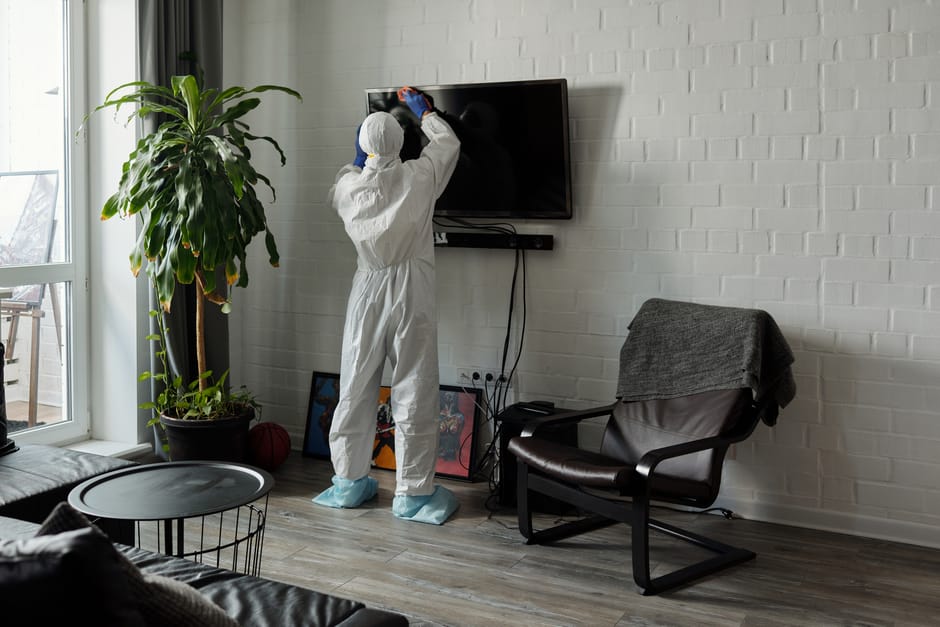
- Containment and protection - reduce spread during cleaning, protect nearby furnishings, and use suitable PPE where needed.
- Removal and sanitation - treat the affected area using the right method for the surface, then clean residue thoroughly.
- Drying and prevention - improve airflow, lower humidity, and address the source so the mould does not simply reappear.
That sounds simple on paper. In a real Pimlico basement flat, it can get a bit more fiddly. One room may be suffering from condensation on an external wall, while another has mould behind a wardrobe because air never really reached the corner. Different causes, different fixes.
That is why the best solution is rarely one product alone. It is usually a combination of correct cleaning, moisture control, and sensible habit changes.
Key Benefits and Practical Advantages
Choosing a proper mould removal approach brings benefits that are immediate and longer term. Some are obvious. Some only become obvious after you stop smelling damp every time you come home.
- Cleaner, healthier-looking rooms - stains, speckling, and discoloured patches are removed rather than hidden under fresh paint.
- Reduced odour - the stale, earthy smell associated with damp conditions usually eases when mould and residual moisture are dealt with properly.
- Better surface longevity - paint, plaster, and trims tend to last longer when moisture and contamination are controlled.
- More comfortable living - rooms feel fresher, less clammy, and easier to keep tidy.
- Lower chance of repeat outbreaks - when the root cause is tackled, you are not stuck cleaning the same patch every month.
There is also a practical benefit for landlords and tenants in shared expectations. If a flat is being prepared for viewings or a tenancy change, mould issues can put people off straight away. If you are already thinking broadly about how to maintain a property, it helps to look at the bigger picture too. The broader guidance in this Pimlico property investment guide is useful for understanding why upkeep matters so much in local homes.
And yes, mould removal can support better day-to-day house pride too. You will probably notice it first in small things: windows not fogging quite as badly, curtains smelling fresher, cupboards feeling less heavy in the morning air. Tiny wins, but they add up.
Who This Is For and When It Makes Sense
This topic is for anyone dealing with damp or mould in a basement or lower-ground flat in Pimlico, but the most common situations are pretty familiar.
- Homeowners who are seeing mould in corners, around windows, behind furniture, or near skirting boards.
- Tenants who want a sensible record of the issue and a proper fix, not just a hurried wipe-down.
- Landlords preparing a property for new occupancy or trying to protect surfaces and tenant comfort.
- Buyers assessing a basement flat before purchase, especially if there are visible signs of moisture.
- Property managers dealing with recurring complaints from residents in older or lower-ground buildings.
It makes sense to act early if you notice any of these warning signs:
- black, green, or brown spotting on walls, ceilings, or around windows
- a musty smell that never quite disappears
- condensation that lingers long after cooking or showering
- flaking paint or bubbling wallpaper
- damp patches that appear after rain
- soft furnishings that feel clammy
If you are also trying to keep the wider property in shape, a broader domestic clean can help remove dust and debris that hold moisture. For recurring upkeep, domestic cleaning in Pimlico can support better day-to-day hygiene, while house cleaning in Pimlico is helpful when several rooms need a more systematic refresh.
Step-by-Step Guidance
If you want a practical route through the problem, this is the order that usually makes the most sense.
1. Identify the source, not just the stain
Look at the shape and location of the mould. Is it on the coldest wall? In a room with poor airflow? Near a pipe, bathroom, or kitchen? The pattern often gives clues. Condensation tends to show up on cold surfaces and in corners. Penetrating damp may be linked to exterior walls or structural issues. A leak is usually more localised and persistent.
2. Reduce moisture indoors straight away
Before any cleaning, begin lowering humidity. Open windows when weather allows, use extractor fans properly, avoid drying clothes indoors if possible, and pull furniture a few centimetres away from walls so air can move behind it. It sounds basic because it is basic. But basic things are often the difference between a quick improvement and an endless loop.
3. Protect nearby items
Move soft furnishings, bedding, paperwork, and valuables away from the affected area. If carpets or fabric items have absorbed odour or spores, they may need separate attention. In some cases, a targeted carpet cleaning service in Pimlico can help refresh affected flooring after the moisture source is handled.
4. Clean the surface properly
Use a method suitable for the surface. Painted walls, tile grout, plaster, wood, and textiles each need different treatment. The aim is to remove growth without soaking the area or roughing up the surface unnecessarily. If you are dealing with a large affected patch, repeated outbreaks, or soft furnishings, this is often the point where professional help becomes the more sensible option.
5. Dry thoroughly
Freshly cleaned areas must dry fully. Partial drying is one of the classic reasons mould comes back. If the room feels cool and still, keep the airflow moving. In a basement flat, that can mean a combination of opened vents, windows at the right time, and dehumidification where appropriate.
6. Treat the root cause
Clean walls are not enough if the room still traps moisture. This may involve changing furniture placement, improving ventilation, repairing leaks, resealing problem areas, or planning a more substantial remedial approach. Sometimes the answer is small and immediate. Sometimes it is annoyingly not. Truth be told, that is part of the job.
7. Monitor for return
After treatment, keep an eye on the area for a few weeks, especially after wet weather or a cold snap. Recurring mould often tells you the real issue was only partly addressed.
Expert Tips for Better Results
Here are a few practical habits that make a surprising difference in basement flats.
- Keep heating steady rather than blasting it on and off. Sudden temperature swings encourage condensation on cold surfaces.
- Do not push furniture hard against external walls. Even a small gap helps airflow.
- Wipe away condensation every morning in winter. A dry cloth or squeegee is boring, yes, but effective.
- Use extractor fans during and after showers or cooking. Not just for a minute. Long enough to clear the moisture.
- Store boxes off the floor. Basement floors can be cooler and slightly damper, especially in older buildings.
- Check hidden spots. Behind wardrobes, under sinks, around window reveals, and in cupboard corners. Mould loves the awkward bits.
Another useful habit is to tackle related dust and fabric build-up at the same time. Mould spores and dust like to settle together. If your flat has fabric headboards, curtains, or cushions that have picked up a damp smell, upholstery cleaning in Pimlico can be part of the wider refresh after the cause has been addressed.
One more thing: if you are checking the flat after a wet morning, do it when the room is still cool. You can often smell the problem before you fully see it. Slightly odd, but very useful. That damp-paper smell is a clue worth paying attention to.
Common Mistakes to Avoid
Basement mould problems often linger because people make the same well-intentioned mistakes. Here are the big ones.
- Painting over active mould. It may look better for a week, then the staining creeps back.
- Using too much water while cleaning. That can drive moisture deeper into porous surfaces.
- Ignoring the room layout. Furniture placement, blocked vents, and unused corners matter more than people think.
- Confusing condensation with a leak. The fix is different, so the diagnosis matters.
- Leaving soft furnishings in place too soon. A rug or chair that still holds moisture can keep the problem alive.
- Assuming one treatment solves everything. In real life, prevention is part of the solution, not a bonus extra.
A small but common oversight: people clean the visible wall and forget the carpet edge or skirting line underneath. Then, two weeks later, the smell is back. Not because the cleaning "failed", but because contamination stayed hidden at the edges.
Tools, Resources and Recommendations
You do not need a mountain of equipment to start dealing with basement flat mould, but the right tools help you work more safely and get a cleaner finish.
| Tool or item | Why it helps | Best use |
|---|---|---|
| Microfibre cloths | Lift residue without oversaturating surfaces | Walls, trims, windowsills, hard surfaces |
| Soft brush | Helps loosen mould from textured areas | Grout, corners, small recesses |
| Protective gloves and a mask | Reduces direct contact during cleaning | Any visible mould cleaning task |
| Dehumidifier | Helps reduce excess moisture in stubborn rooms | Longer-term humidity management |
| Extractor fan or ventilation aid | Moves humid air out of the room | Bathrooms, kitchens, utility spaces |
| Moisture meter | Helps spot damp areas that need attention | Investigating recurring issues |
If the flat also needs a general reset after a damp spell, it can help to combine mould treatment with a broader clean. Our services overview is useful for understanding how different cleaning services can fit together, and pricing and quotes can help you plan the next sensible step without guesswork.
If you are renting, keep records of the issue: dated photos, notes on where the mould appears, and any action already taken. That is not overkill. It is just sensible.
Law, Compliance, Standards and Best Practice
When mould is involved, you want to stay practical and careful. In the UK, there is no need to invent drama or pretend every patch of mould is a legal emergency. But damp and mould can be a housing quality concern, especially where they affect habitability, safety, or the condition of the property.
For homeowners, the main issue is preserving the building and living conditions. For landlords and property managers, the stakes are higher because problems may affect tenant safety, property upkeep, and the duty to maintain a decent standard. Good record-keeping, prompt response, and appropriate remedial action are all part of responsible management.
Best practice usually includes:
- identifying whether the issue is condensation, penetrating damp, or a leak
- cleaning visible mould safely rather than merely masking it
- improving ventilation and airflow
- keeping surfaces dry and avoiding long-term moisture build-up
- using competent, insured help where the issue is widespread or recurring
If you are comparing providers, it is reasonable to ask about safety processes, protective equipment, and how they approach moisture-related cleaning. You may also want to review insurance and safety information and the health and safety policy before booking any service. That is simply good due diligence, nothing fancy.
For anyone arranging a clean between tenants, the standards for presentation are usually stricter in practice than people expect. Mould stains, even minor ones, can become a sticking point during move-out or letting checks. If that is your situation, end of tenancy cleaning in Pimlico can be a relevant support service alongside targeted mould remediation.
Options, Methods and Comparison Table
Not every mould problem needs the same response. A tiny patch near a bathroom window is very different from repeated growth in a lower-ground bedroom. Here is a simple comparison that may help you decide.
| Method | Best for | Pros | Limitations |
|---|---|---|---|
| DIY surface cleaning | Small, isolated spots on washable surfaces | Fast, low cost, handy for early intervention | Does not solve deeper moisture issues |
| Ventilation and humidity control | Condensation-prone rooms | Prevents recurrence, improves comfort | Takes discipline and time |
| Targeted professional cleaning | Multiple rooms, recurring patches, soft furnishings | More thorough, better finish, safer handling | Costs more than DIY |
| Property maintenance repairs | Leaks, structural damp, damaged seals or vents | Addresses the underlying cause | May require more time and coordination |
For many basement flats, the best outcome comes from combining methods rather than choosing one. A clean wall and a dry room beat a perfectly clean wall in a damp room, every time.
Case Study or Real-World Example
Imagine a lower-ground one-bedroom flat in Pimlico with a wardrobe against an external wall. The tenant notices a faint musty smell in late autumn, then black spotting appears near the corner behind the wardrobe and on the lower section of the wall. The temptation is obvious: spray the marks, repaint, move on.
But a better approach starts with inspection. The wardrobe is pulled forward, and the wall is found to be cool and slightly damp to the touch after several colder nights. Condensation has been building because air has been trapped behind the furniture. The room also dries laundry indoors from time to time. Classic combination, really.
The solution is not dramatic. It includes careful cleaning of the affected area, better airflow behind the wardrobe, reduced indoor drying, consistent heating, and regular monitoring over the next few weeks. Soft furnishings near the wall are cleaned separately, and the room layout is adjusted so air can circulate more freely.
The result? The smell eases, the wall stays cleaner, and the issue does not keep reappearing in the same place. Not magic. Just the right sequence.
This is why local context matters. Basement flats in Pimlico can be beautifully liveable, but they reward thoughtful upkeep. If you are new to the area or comparing different types of homes, you may also find local background useful in these Pimlico local living insights and the broader area perspective in this guide to Pimlico as a London neighbourhood.
Practical Checklist
Use this checklist if you want a calm, organised way to deal with mould in a basement flat.
- Identify where the mould is appearing and how widespread it is.
- Check whether the issue follows cold weather, rain, showers, or cooking.
- Pull furniture away from affected walls.
- Increase ventilation and reduce indoor moisture where possible.
- Wear gloves and suitable protection before cleaning.
- Clean the visible mould carefully without soaking the area.
- Dry the room fully after treatment.
- Look for hidden growth behind furniture, under sinks, and in corners.
- Review whether carpets, fabrics, or upholstery need attention too.
- Monitor the area for return over the next few weeks.
- Document recurring problems if you may need landlord or contractor support.
If you are preparing for a broader seasonal refresh, the practical steps in this SW1V spring cleaning checklist can help you keep the whole flat on top of things, not just the mould-prone corner.
Get a free quote today and see how much you can save.
Conclusion
Mould in a basement flat is unpleasant, but it is usually manageable when you take the right approach. The key is not to chase the stain alone. You need the cause, the cleaning, the drying, and the prevention working together. That is what makes Mould removal solutions for basement flats in Pimlico genuinely effective rather than temporary.
If your flat is showing early signs of damp, act sooner rather than later. A small patch is much easier to deal with than a room full of recurring growth and that tired, lingering smell. And if the issue feels more than a straightforward wipe-down, it is sensible to get informed help and a clearer plan.
Done properly, the room can feel fresh again. Quiet, dry, and simply more pleasant to live in. Which, let's face it, is the whole point.
Frequently Asked Questions
What is the best mould removal solution for a basement flat?
The best solution is usually a combination of safe cleaning, moisture control, and fixing the source of damp. If the room stays humid, mould often returns no matter how well the surface is cleaned.
Can I remove basement mould myself?
Yes, if it is a small patch on a suitable washable surface and there is no sign of major damp or hidden spread. For large areas, repeated outbreaks, or soft furnishings, professional help is often the safer choice.
Why does mould keep coming back in basement flats?
Basement flats often have lower airflow, cooler surfaces, and more condensation risk. If ventilation, heating, or the underlying moisture source is not addressed, mould tends to return.
Is mould in a basement flat dangerous?
It can be a concern, especially if it is widespread or recurring. Even when the risk feels small, it can affect comfort, odour, and indoor air quality. If you are unsure, treat it seriously and get it assessed.
How do I know if it is condensation or a leak?
Condensation usually appears on cold surfaces, in corners, or behind furniture. A leak is more likely to create a fixed, persistent damp patch that does not follow daily living patterns. If the pattern is unclear, inspection helps.
Will painting over mould stop it?
No, not reliably. Paint may hide the stain for a while, but active mould or trapped moisture will usually push the problem back through. Clean and dry the area first, then treat the cause.
How often should I check a basement flat for mould?
It is wise to check regularly, especially during colder months or after heavy rain. Even a quick look behind furniture and around windows can catch problems before they spread.
Can carpets and upholstery be affected too?
Yes. Soft furnishings can absorb moisture and odour, which is why related cleaning may be needed after the main mould issue is handled. In some cases, carpet or upholstery treatment becomes part of the solution.
What should landlords do about mould in a basement flat?
Landlords should respond promptly, inspect the cause, arrange suitable remediation, and keep clear records. Recurring mould is often a maintenance issue as much as a cleaning issue, so it needs proper attention.
How long does mould removal usually take?
It depends on the size of the affected area and the cause. A small patch may be resolved quickly, while a recurring basement problem may need follow-up over time to make sure it does not return.
Does a dehumidifier solve the problem on its own?
Not usually. A dehumidifier can help reduce moisture, which is useful, but it does not replace cleaning or fixing leaks, ventilation faults, or other causes. Think of it as part of the plan, not the whole plan.
When should I get professional help?
If mould keeps returning, covers a large area, affects soft furnishings, or seems linked to a leak or structural damp, professional support is a sensible next step. It is often quicker in the long run, too.
For more about the company background and standards behind the service, you can also explore about us, terms and conditions, or the complaints procedure if you want a clearer picture of how everything is handled.