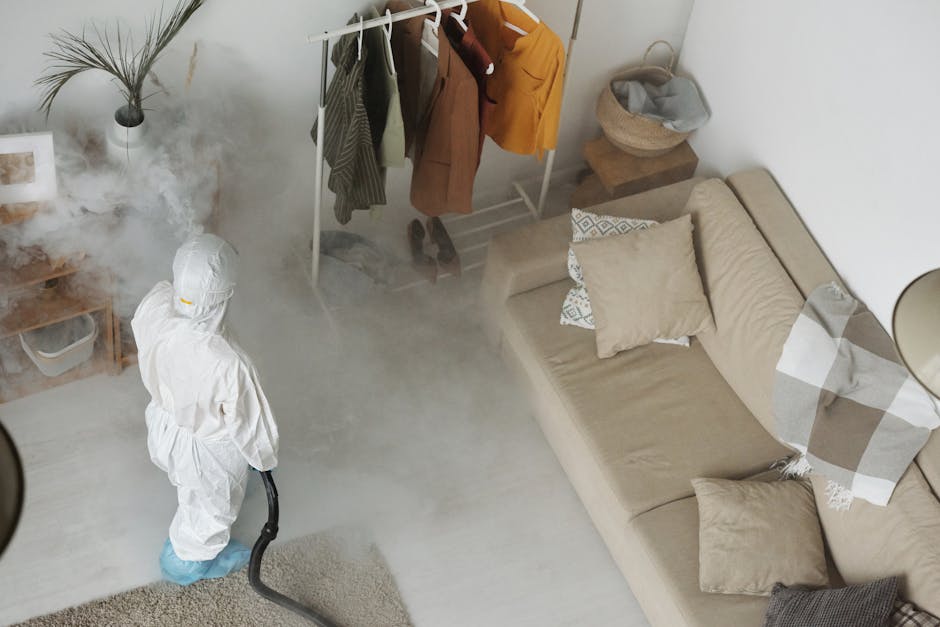
Stain and odour removal after short lets in Pimlico
Short lets can be great for guests and hosts alike, but they do leave a footprint. A wine spill on the rug, cooking odours in the curtains, damp towels left in a bathroom, or that faint "someone's been here" smell that lingers after checkout - it all adds up fast. If you manage a property in Pimlico, stain and odour removal after short lets in Pimlico is not just a tidy-up task. It is part of protecting the presentation, comfort, and value of the property.
The good news? Most post-short-let problems can be tackled properly if you act in the right order and use the right method for the surface. In this guide, we'll walk through what actually works, where people go wrong, and how to decide when a deeper professional clean is worth it. We'll also cover practical Pimlico-specific considerations, because let's face it, central London properties tend to see frequent turnover, tight schedules, and the occasional guest-related mess that arrives with very little warning.
For broader context on the area and property expectations, you may also find it useful to browse the site's local reading such as Discover the allure of Pimlico or the Pimlico property investment guide.
Table of Contents
- Why stain and odour removal after short lets in Pimlico matters
- How stain and odour removal after short lets in Pimlico works
- Key benefits and practical advantages
- Who this is for and when it makes sense
- Step-by-step guidance
- Expert tips for better results
- Common mistakes to avoid
- Tools, resources and recommendations
- Law, compliance, standards, or best practice
- Options, methods, or comparison table
- Case study or real-world example
- Practical checklist
- Conclusion
- Frequently asked questions
Why Stain and odour removal after short lets in Pimlico Matters
Short-let properties live a different life from long-term homes. Guests arrive with luggage, takeaway food, perfumes, pets sometimes, wet umbrellas often, and a pretty wide range of cleaning habits. Even when everyone has been perfectly polite, carpets, upholstery, mattresses, and hard floors can pick up marks and smells surprisingly quickly.
In Pimlico, where many homes and flats are compact, well-finished, and expected to feel fresh the moment someone walks in, a lingering smell can be more damaging than a visible mark. A faint odour in a hallway may suggest damp, smoking, cooking residue, or just poor ventilation. None of those help the next guest feel welcome. And if you manage a property for repeat stays, first impressions can make or break the next booking.
There is also a practical side. Some stains become harder to lift if they are left to dry and set. Odours, too, can sink deeper into fibres, underlay, soft furnishings, and grout lines. A quick wipe might handle the surface, but not the source. That is why a proper post-stay clean needs to be more than cosmetic. It should reset the property.
Expert summary: If a stain or smell is treated quickly, gently, and with the right method for the material, the chances of full recovery are far better. If it is scrubbed hard, masked with fragrance, or ignored until the next booking, the job usually becomes more expensive and more disruptive.
For hosts who want a cleaner handover between guests, it can help to think about the whole property cycle, not just one spill or one room. Articles like the SW1V spring cleaning checklist and cleaning tips for flats near Tate Britain sit well alongside this kind of maintenance planning.
How Stain and odour removal after short lets in Pimlico Works
The basic idea is straightforward: identify the source, choose the correct treatment, and remove the residue without damaging the surface. In practice, though, different stains and smells behave very differently.
A red wine spill on wool carpet is not the same as grease on upholstery. A cooking odour in a studio flat is not the same as a damp smell coming from bathroom silicone or an old mattress. If you treat all of them the same way, you may remove one problem and create another. Seen that happen more than once, to be fair.
What professionals usually look at first
- The material: wool, synthetic carpet, velvet, linen, leather, painted walls, stone, laminate, and tile all react differently.
- The stain type: protein-based, oily, tannin-based, ink, make-up, mud, or biological stains each need a different approach.
- The age of the mark: fresh marks are easier; dried marks often need pre-treatment and dwell time.
- The smell source: surface residue, absorbed odour, moisture, or trapped contamination.
- Ventilation and humidity: in a closed flat, odours tend to linger longer than many people expect.
In a real short-let turnaround, the sequence matters. You generally want to remove loose debris, pre-treat stains, clean the surface correctly, extract or rinse where needed, and then deal with the odour source - not just the smell in the air. If the source stays, the odour comes back. Rather annoying, but true.
For carpets and sofas, this often means a deeper treatment than a standard surface clean. A service such as carpet cleaning in Pimlico or upholstery cleaning in Pimlico may be relevant when marks have gone beyond a simple spot wipe.
Key Benefits and Practical Advantages
Good stain and odour removal does more than make a property look nice. It protects the whole guest experience and can make turnover less stressful for everyone involved.
- Better first impressions: a fresh-smelling flat feels cleaner before the guest even notices the decor.
- Lower risk of repeat complaints: odours and visible marks are among the quickest ways to trigger negative feedback.
- Longer life for furnishings: treating stains early helps prevent fibre damage, dye transfer, and permanent setting.
- Reduced need for replacements: a saved carpet or sofa is usually cheaper than a rushed purchase between bookings.
- Faster changeovers: when you have a clear process, handovers become much smoother.
- More consistent standards: repeat guests notice when a place smells neutral, not perfumed-over.
There is another advantage people overlook: confidence. When you know the property has been properly reset, you stop worrying every time the door opens. That matters if you manage multiple stays or are preparing for a busy weekend in the area. A quiet, well-kept property is easier to run. Simple as that.
If you want to understand how a proper cleaning plan fits into the wider service picture, it's worth looking at the broader services overview and the practical approach behind end of tenancy cleaning in Pimlico, which overlaps with many short-let reset tasks.
Who This Is For and When It Makes Sense
This topic matters to a few different people, and not all of them are property managers. In fact, some of the most urgent calls come from owners who only discover the issue after the guests have gone and the next arrival is due by 3pm. A classic London moment.
Typical situations where stain and odour removal is needed
- Short-let hosts: especially those with back-to-back bookings and limited turnaround time.
- Landlords with furnished flats: when the property is let for weekends, weeks, or corporate stays.
- Letting agents: managing guest-ready standards on behalf of owners.
- Homeowners renting occasionally: when the property is used for a holiday or event stay.
- Anyone dealing with specific incidents: wine spills, food stains, pet odours, smoke, or bathroom smells.
It makes sense to book a deeper clean when the issue is more than one small mark, when the smell persists after airing the room, or when the stain is on a sensitive fabric. If the floor covering is a good-quality wool carpet or the sofa is light-coloured and prominent in the room, it is worth being cautious rather than experimental.
And if the issue repeats after every stay, that is a signal. Something in the cleaning process is missing, or the property needs a better prevention routine. Not glamorous, but useful.
Step-by-Step Guidance
Here is a practical approach you can follow after a short-let checkout. It is not fancy, but it works when applied with care.
- Inspect the property room by room. Look for visible marks, sticky spots, damp patches, and any odour hotspots. Check soft furnishings, bedside rugs, bin areas, and bathrooms.
- Identify the likely cause. Food, drink, toiletries, smoke, moisture, pets, and spillages need different responses.
- Ventilate first. Open windows where possible and let stale air move out. Fresh air helps you judge what is actually left, rather than what is being masked.
- Blot, don't rub. For fresh spills, use a clean white cloth or paper towel and blot gently. Scrubbing tends to spread the stain and work it deeper.
- Pre-treat appropriately. Use a suitable cleaner for the material. Always test first on a discreet area if you're unsure. No heroics.
- Clean and extract. Work from the outside of the stain inward where relevant. Remove as much residue as you can without overwetting the surface.
- Address odours at the source. Clean bins, drains, soft fabrics, and any affected flooring. If moisture is present, dry the area thoroughly.
- Check again after drying. Some smells only become obvious once the room is closed up for a while.
- Repeat or escalate if needed. Deep odours and set stains may need professional equipment and stronger extraction methods.
A small but useful habit: keep notes on what caused each issue. If you notice the same guest pattern or room type causing problems, you can improve your house rules, furnishing choices, or turnover checklist. That little bit of memory saves a lot of time later.
Expert Tips for Better Results
There are a few details that make a noticeable difference in short-let cleaning. They are not dramatic, just the kind of things that separate a decent clean from a really reliable one.
- Treat quickly. Fresh stains are always easier. If a guest spills coffee, don't leave it until "later in the week".
- Use neutral products first. Harsh chemicals can set some stains or damage fibres.
- Work from clean to dirty. Avoid spreading residue from one area to another with the same cloth or mop.
- Dry thoroughly. A damp carpet or cushion can become a smell problem on its own.
- Focus on soft furnishings. Curtains, sofas, cushions, and mattress toppers trap odours more than hard surfaces.
- Use odour control wisely. Deodorisers can help, but they should support cleaning, not replace it.
- Inspect under furniture. Hidden spills around sofas, beds, and tables often go unnoticed until they smell.
One practical note from day-to-day experience: guests tend to notice the hallway or living room first, but odours often come from bins, bathrooms, or a single fabric chair in the corner. A room can look spotless and still feel off. Strange, but that is how scent works.
For property owners who want a more complete routine, it can help to pair post-stay stain work with domestic cleaning in Pimlico or house cleaning in Pimlico, especially when the property has mixed-use demands and frequent guests.
Common Mistakes to Avoid
Most failed stain and odour jobs come down to a handful of predictable mistakes. Avoid these and you are already ahead of the game.
What not to do
- Using too much water: over-wetting carpets and upholstery can push the problem deeper.
- Scrubbing aggressively: this often damages fibres and spreads the stain edge.
- Masking smells with fragrance: air freshener is not a fix, just a temporary cover.
- Ignoring the underlay or padding: smells can live beneath the visible surface.
- Using one cleaner for everything: what helps on tile may ruin fabric.
- Leaving odour sources in place: a full bin, dirty mop head, or damp bath mat will undo your work.
- Forgetting to dry the room properly: moisture is one of the quickest ways to create a recurring smell.
There is also a timing mistake: waiting until the next guest complains. By then, the issue may have sunk deeper into the surface. Better to treat after checkout, every time, even if the place looks "fine enough". Fine enough is not really the standard in short lets, is it?
Tools, Resources and Recommendations
You do not need a huge kit, but you do need the right basics. A sensible post-short-let cleaning cupboard will usually include:
- microfibre cloths
- white absorbent towels
- a soft brush for dry debris
- vacuum with upholstery attachments
- pH-appropriate cleaners for fabric and flooring
- spot-treatment products suited to the material
- gloves
- bin liners and disinfectant for waste areas
- fan or air-movement tools for quicker drying
In some properties, the harder part is not the stain itself but finding the right process for the material. If you have wool carpet, a delicate sofa, or antique-style upholstery, be careful. What looks like a harmless cleaner can still leave rings, fading, or residue.
For more structured service planning, the pages on pricing and quotes and payment and security can help if you are comparing professional support and want a clearer sense of how arrangements are handled. If you are choosing a provider, it is also sensible to understand their approach to insurance and safety and the company background on the about us page.
Law, Compliance, Standards, or Best Practice
For short lets in Pimlico, the key issue is less about one single law on stains and more about wider duties of care, safety, and property upkeep. If you are letting a furnished property, you are expected to keep it in a condition that is safe, clean, and fit for use. In practical terms, that means dealing with contamination, lingering smells, mould risk, and damaged furnishings promptly.
It is also good practice to use cleaning methods that are suitable for the surface and safe for the people who will occupy the property next. That includes being careful with chemical strength, ensuring rooms are well aired, and following any product instructions. If a property includes shared access, common hallways, or sensitive finishes, you may need to be even more cautious about runoff, overspray, or strong smells.
From a professional perspective, the standard you want is simple: the next guest should walk in and feel the property has been properly reset, not just surface-cleaned. That is the real benchmark. Not "looks okay from the doorway".
Where there is moisture damage, persistent damp, or repeated odours that do not clear after cleaning, it is sensible to investigate further rather than assume it is just a cleaning issue. Sometimes it is ventilation, sometimes plumbing, sometimes hidden contamination. Better to find out early.
Options, Methods, or Comparison Table
Different problems call for different approaches. Here is a simple comparison that can help you decide what kind of response is appropriate.
| Method | Best for | Strengths | Limitations |
|---|---|---|---|
| Spot cleaning | Fresh, small stains on hard surfaces or suitable fabrics | Quick, low-cost, useful for immediate response | May not remove deep odours or older marks |
| Deep fabric cleaning | Carpets, sofas, chairs, mattress surfaces | Removes embedded residue and improves overall freshness | Needs drying time and suitable products |
| Odour source cleaning | Bins, drains, bathrooms, spill areas, pet-related smells | Targets the cause rather than covering the smell | Can take more inspection and follow-up |
| Professional extraction | Set stains, recurring odours, large turnovers | More thorough, less risk of pushing problems deeper | Usually a bigger intervention than DIY |
If you are unsure which route to take, start by asking a simple question: is this a surface mark, or is the property actually holding on to contamination? That one question often decides the method.
Case Study or Real-World Example
Imagine a furnished one-bedroom flat in Pimlico after a three-night stay. The guest has left a wine mark on the lounge rug, a greasy patch near the sofa cushion, and a faint cooking odour in the living area. Nothing catastrophic. But enough to feel off.
The first instinct might be to spray something perfumed and vacuum quickly. That would make the room smell nicer for a short time, but the wine residue and food grease would still be in the fibres. By the next morning, especially with the windows closed, the smell would return. A bit like trying to fix a dripping tap with a tea towel. Not ideal.
A better response would be to blot and pre-treat the rug, clean the cushion cover or fabric safely, dispose of rubbish, wipe high-touch and food-prep areas, clean the bin store, and ventilate the room thoroughly. If the smell still lingered after drying, a deeper treatment to the soft furnishings would be sensible. The difference is noticeable. The flat feels reset, not merely tidied.
That kind of approach is especially useful in properties that see frequent guest changes and need a reliable standard every week. The goal is not perfection for its own sake. It is dependable readiness.
Practical Checklist
Use this checklist after each short-let checkout. A printed version in a utility cupboard can save a surprising amount of stress.
- Check carpets, rugs, and entrance mats for fresh marks
- Inspect sofas, cushions, and chair arms for spills
- Look for odours in bins, bathrooms, kitchen sinks, and soft furnishings
- Remove waste and replace bin liners
- Air the property thoroughly
- Blot and treat stains as soon as they are found
- Use the correct cleaner for each material
- Dry wet areas completely
- Recheck the room after cleaning, not just immediately after treatment
- Escalate stubborn stains or smells before the next guest arrives
If you are planning a wider reset after a busy booking cycle, a related read such as thinking about local living in Pimlico or celebration spots in Pimlico can be useful context for how guest traffic and local property use tend to shape cleaning needs.
Conclusion
Stain and odour removal after short lets in Pimlico is really about protecting standards between guests. When it is done well, the property feels cleaner, looks better, and turns over more smoothly. When it is rushed, the same small problem can echo into complaints, extra work, and unnecessary costs.
The best results usually come from simple discipline: act quickly, treat the right source, dry thoroughly, and do not rely on fragrance to cover what should be cleaned out. That's the whole thing, really. Practical and unglamorous, but it works.
If your property sees regular bookings, it is worth building a repeatable process now rather than firefighting each checkout. A tidy system saves time, reduces stress, and gives guests the fresh arrival they expect.
Get a free quote today and see how much you can save.
And if you do it properly, the next guest should notice the space, not the last one. That's the aim, after all.
Frequently Asked Questions
What is the best way to remove stains after a short let?
The best approach is to identify the stain type, blot gently, use a suitable cleaner for the material, and dry the area fully. Fresh stains are much easier than old ones.
How do you remove odours after guests leave?
Start with ventilation, then clean the source: bins, soft furnishings, bathrooms, carpets, and any damp areas. Deodorisers can help, but they should not replace proper cleaning.
Can I clean wine stains from a carpet myself?
Small, fresh wine stains can often be treated at home if you blot carefully and avoid rubbing. For larger or older stains, a professional carpet clean is usually safer.
Why does the smell come back after cleaning?
Usually because the source was not fully removed. Odour can sit in underlay, upholstery, drains, or damp materials and reappear once the room is closed up.
Are scented sprays a good solution for short-let odours?
They are only a temporary fix. If the room still smells after airing out, there is usually a source that needs cleaning or drying properly.
How soon should I deal with stains after checkout?
As soon as possible. The longer a stain stays in place, the more likely it is to set into fibres or leave a permanent mark.
What surfaces are most likely to hold odours?
Carpets, upholstery, curtains, mattresses, cushions, and bathroom areas are common odour traps because they absorb residue or moisture.
When is professional cleaning worth it?
It is worth considering when the stain is old, the odour persists, the fabric is delicate, or you need a quick reset before the next guest arrives.
Can moisture cause odours even if there is no visible stain?
Yes. Dampness can create a stale or musty smell without any obvious mark. That is why drying and ventilation matter so much.
What should be included in a short-let turnaround checklist?
At minimum: remove waste, inspect soft furnishings, treat stains, check bathrooms and kitchen areas, air the property, and recheck for lingering smells before the next booking.
How do I choose between DIY cleaning and a professional service?
If the issue is small and fresh, DIY may be enough. If it affects upholstery, carpets, or leaves a recurring smell, professional support is usually the safer option.
Does end of tenancy cleaning help with short-let stain and odour issues?
Yes, there is overlap. A thorough reset can cover many of the same problems, especially in furnished properties that need a deeper clean between occupancies.