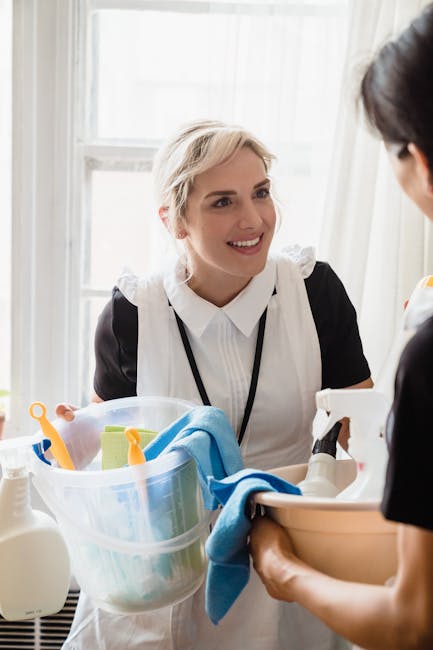
What cleaners must know about HMO rules in Pimlico
If you clean shared homes in Pimlico, you quickly learn that an HMO is not just "a bigger house with more tenants." The layout, the turnover, the waste, the fire-safety expectations, and even the way you report issues all change the job. What cleaners must know about HMO rules in Pimlico is really about working safely, keeping records straight, and protecting both the property and the people who live there.
In a typical Pimlico HMO, you may be dealing with a busy kitchen before 9 a.m., a bin store that is already half full, and a hallway that needs to look calm even when life inside the flat is anything but calm. That is where the details matter. This guide breaks down the practical rules cleaners should understand, the common mistakes to avoid, and the day-to-day habits that make shared homes easier to clean, easier to manage, and less likely to drift into problems. And yes, some of this is not glamorous. But it saves a lot of grief later.
Why What cleaners must know about HMO rules in Pimlico Matters
HMO properties are shared homes, usually with several unrelated occupants. That one fact changes almost everything about the cleaning routine. There is more footfall, more cooking, more damp risk, more waste, and more chance that a small issue becomes a big one. A forgotten spill in a single-family home is annoying; in an HMO it can become a complaint between housemates, a pest issue, or a hygiene problem in a communal area.
Pimlico adds another layer. Many properties are older, with narrow stairwells, compact kitchens, and ventilation that can be a bit temperamental. Some buildings have basement rooms, some have multiple floors, and some are split into rooms with shared facilities. The cleaner walking in on a Tuesday morning needs to know what to look for, where to be careful, and when to flag something rather than just mop it and move on.
This matters commercially too. Landlords, managing agents, and cleaners all benefit when the property is kept in a stable, presentable condition. A shared house that smells clean, feels organised, and has sensible waste handling tends to generate fewer complaints. That is not magic; it is just consistency. If you want a wider feel for the local property landscape, our Pimlico property investment guide explains why upkeep matters so much in this area.
There is also a trust angle. Cleaners in HMOs often see more than anyone else. You notice the blocked sink before the occupants do. You spot mould starting behind a washing machine. You see when bins are overflowing or when a fire door is wedged open. That means you are not just cleaning; you are helping protect the building and the people inside it.
Expert summary: In a Pimlico HMO, good cleaning is not only about appearance. It is about hygiene, safe access, respectful reporting, waste control, and keeping shared spaces in a condition that does not quietly slide into trouble.
How What cleaners must know about HMO rules in Pimlico Works
Let's keep this plain. HMO cleaning works best when the cleaner understands the property as a shared system, not a series of separate rooms. The kitchen affects the hallway. The bins affect the entrance. The bathroom affects ventilation and odour. One sloppy area can undo the work everywhere else. That is the frustrating bit, truth be told.
Start with the property type
Not every shared property is managed the same way. A cleaner should know whether the building is a house in multiple occupation, a converted flat share, a short-let-heavy property, or a long-term rented house with shared facilities. The cleaning plan changes depending on the occupancy pattern, the number of users, and how often communal spaces are used.
Then check the house rules
Many HMOs have household rules, management instructions, or tenant agreements that affect cleaning. These might cover bin days, recycling separation, how to leave bedrooms, which products can be used on surfaces, or whether cleaners may enter occupied rooms. You do not need to be a lawyer to follow them, but you do need to read them. It sounds obvious. People still skip it.
Focus on communal areas first
In most HMO jobs, communal areas are the highest priority. Kitchens, shared bathrooms, hallways, stairs, and entry points take the most wear and create the biggest risk if neglected. Bedroom cleaning may be part of the brief, but the shared areas usually decide whether the property feels under control.
Work from "touch points" outward
Good HMO cleaning usually starts with touch points: handles, light switches, fridge doors, taps, worktops, bannisters, and toilet flushes. Then move to floors, splash zones, bins, and any visible grime. In a busy house, a surface can look fine until you run a cloth over the area. Then suddenly you see the real story.
Document what you find
Professional cleaners should note recurring problems such as persistent odours, mould patches, damaged seals, blocked vents, pest evidence, or unsafe storage. This is not about being dramatic. It is about creating a reliable record. If a landlord or managing agent later asks why the kitchen keeps smelling damp, your notes help explain it.
For a nearby example of how local property details can shape cleaning expectations, see cleaning tips for flats near Tate Britain in Pimlico.
Key Benefits and Practical Advantages
Understanding HMO rules is not just about avoiding awkward conversations. It has real practical upside for cleaners and for the people hiring them.
- Cleaner handovers: everyone knows what has been done, what has been flagged, and what still needs attention.
- Fewer complaints: communal areas stay more consistent, so residents are less likely to feel ignored.
- Better hygiene control: shared kitchens and bathrooms are easier to keep on top of when tasks are prioritised correctly.
- Less damage over time: small leaks, stains, and mould spots are noticed earlier.
- More efficient visits: a cleaner who understands HMO priorities wastes less time deciding what to do first.
- Stronger trust with managing agents: reliable reporting is often worth as much as the cleaning itself.
There is a less obvious benefit too: calm. A well-run HMO is simply less stressful to clean. You walk in, you know what matters, and you are not guessing which mess is urgent and which can wait. That makes a difference on a rainy London afternoon when the front steps are muddy and the communal kitchen has been used by four different people before lunch.
Who This Is For and When It Makes Sense
This topic is most useful for professional cleaners, domestic cleaners, and team leaders working in shared homes across Pimlico. But it is also relevant to landlords, letting agents, housekeepers, and even tenants who manage their own shared spaces. If you are responsible for the look, hygiene, and day-to-day order of an HMO, these rules affect you.
It makes especially good sense if you are cleaning:
- a licensed or managed HMO with shared kitchens and bathrooms
- a room-by-room rental where occupants change often
- a property with frequent end-of-tenancy turnovers
- a basement or older property where moisture and ventilation need extra attention
- a short-let or hybrid let where turnover is higher than normal
For some readers, the trigger is a problem. Perhaps a tenant has complained about odours. Perhaps a wall near the sink has begun to stain. Perhaps someone has asked why the waste area is always messy. In those moments, the cleaning brief becomes part hygiene, part compliance, part diplomacy. Not the easiest mix, but manageable.
If you are also thinking about how homeowners in the area keep up with maintenance, this SW1V spring cleaning checklist is a useful companion read.
Step-by-Step Guidance
Here is a practical way to approach an HMO clean in Pimlico without missing the important bits.
- Confirm access and scope. Check which rooms you are cleaning, whether anyone is at home, and whether there are instructions for occupied rooms or valuables.
- Walk the communal route first. Look at the entrance, hallway, stairs, kitchen, and bathroom before starting. This tells you where the biggest issues are.
- Remove visible clutter safely. Move only what you are allowed to move. Keep personal items together and do not make assumptions.
- Deal with hygiene risks early. Tackle bins, sink overflow, food residue, limescale, toilet areas, and any surface with possible contamination.
- Use a room order that makes sense. Usually kitchen first, then bathroom, then hallway/stairs, then secondary rooms if included in the brief.
- Inspect for recurring problems. Look for mould, leaks, condensation, broken seals, damaged grout, worn flooring, and poor ventilation.
- Finish with a reset. Straighten items where appropriate, replace liners if part of the job, and make shared areas feel orderly.
- Report clearly. Leave a note about anything that needs action, especially anything that could become a compliance or safety issue.
A small detail can save a lot of bother here. If a bin lid is cracked or the waste area smells even after cleaning, say so. Do not assume someone else will notice. Often, they will not.
Expert Tips for Better Results
To be fair, the best HMO cleaners are not just faster. They are more observant. They build a mental map of the property and understand where the trouble will show up first.
Prioritise ventilation and moisture control
Pimlico properties, especially older ones, can struggle with condensation. Cleaners should keep an eye on window frames, bathroom corners, around extractor fans, and behind appliances. A fresh-smelling room can still hide a damp problem. For more on this, our guide to mould removal in basement flats is worth a look.
Use a repeatable route
In HMO work, consistency beats improvisation. Clean the same zones in the same order. You will miss less, and clients notice the difference. They may not say "excellent workflow", because no one really does that over a kettle, but they will notice the property feels managed.
Don't confuse tidy with clean
A kitchen can look tidy and still have sticky handles, crumbs around the hob, and an unpleasant smell coming from the fridge seal. Shared homes are full of these small traps. A surface-level tidy is not enough when several people use the same space every day.
Keep communication short and useful
If you are reporting issues to a landlord or agent, use plain language. "Kitchen sink slow to drain" is more helpful than "minor issue in wet area." Simple words get action. Fancy wording just gets filed away.
Respect privacy without slowing the job
HMO cleaners often work around personal belongings, study schedules, and private routines. Be respectful, move carefully, and leave things where you found them unless instructed otherwise. One awkward room can throw off the whole visit, so a steady approach helps.
Practical note: If a shared property keeps producing the same issues week after week, the cleaning plan probably needs adjusting. The pattern is the clue.
Common Mistakes to Avoid
Some mistakes in HMO cleaning are small on the day and expensive later. Here are the ones that tend to cause the most trouble.
- Ignoring the house rules: every building has its own quirks, and skipping instructions can create conflict.
- Cleaning around the problem: if a fridge smells, the source matters. Wiping the outside only delays the issue.
- Overlooking waste handling: rubbish overflow, mixed recycling, and missed collection days can quickly make the whole property feel unmanaged.
- Using the same routine as a single-family home: shared spaces need more focus on touch points and high-use areas.
- Failing to report moisture or mould: that little black patch by the window may look minor today, but it tends to grow, annoyingly.
- Assuming occupied rooms are fair game: always confirm what you may clean and what is off-limits.
- Leaving after a visual tidy: in HMOs, the hidden bits matter just as much.
One common slip is forgetting that an HMO is dynamic. Tenants move around. Kitchen habits change. One person starts cooking more often. Another begins leaving bins by the back door. The property is not static, so your cleaning approach should not be either.
Tools, Resources and Recommendations
You do not need a huge kit, but you do need a sensible one. For HMO cleaning in Pimlico, the most useful tools are usually the practical ones, not the shiny ones.
- Microfibre cloths: for touch points, surfaces, and dust without dragging grime around.
- Non-abrasive bathroom cleaners: useful for taps, sinks, tiles, and shower areas.
- Degreasers: important in shared kitchens where residue builds up quickly.
- Disposable liners and bin bags: for waste control and hygiene resets.
- Gloves and basic PPE: sensible for waste handling and contaminated surfaces.
- Notebook or digital checklist: for repeat issues, access notes, and follow-up reminders.
Useful supporting reading on the website includes Westminster Council rules for disposing Pimlico waste and avoid fines: Pimlico cleaners and Westminster Council rules. Those pieces are especially handy if waste handling is part of your regular route.
If you are working with landlords or letting agents, it also helps to understand the wider service context. The team's services overview gives a quick sense of what kinds of cleaning support are typically available for different property types.
Law, Compliance, Standards, or Best Practice
For HMO cleaning, compliance is partly legal and partly operational. Cleaners do not usually carry the legal burden for the property itself, but they do have a practical duty to avoid creating hazards, to follow instructions, and to report visible risks. That is the honest version.
In UK practice, shared homes often involve expectations around fire safety, hygiene, waste storage, ventilation, and safe access. Cleaners should not block exits, wedge open fire doors, pile items in corridors, or ignore signs of poor maintenance. If a shared hallway is cluttered or if cleaning equipment is left where residents must step over it, that is a problem. Small, but real.
Best practice also means keeping cleaning chemicals used safely and appropriately, especially in enclosed spaces. Different surfaces, from painted woodwork to laminate and old tiles, need different treatment. A one-size-fits-all spray is a bit of a menace, if we are being honest.
Where uncertainty exists, the safest approach is to follow the property manager's instructions and escalate anything that looks structural or safety-related. For example, a cleaner can wipe condensation off a window frame; they should not pretend a repeated damp patch is "just a bit of moisture" if it keeps coming back. The report matters.
For more on professional housekeeping expectations, it can be helpful to review the company's health and safety policy and insurance and safety information. Those pages support the same basic idea: work carefully, document clearly, and avoid preventable risk.
Options, Methods, or Comparison Table
Not every HMO clean needs the same method. The right approach depends on who lives there, how often the property turns over, and how much shared use the communal areas get.
| Cleaning approach | Best for | Strengths | Limitations |
|---|---|---|---|
| Routine communal clean | Occupied HMOs with regular use | Keeps kitchens, bathrooms, and hallways under control | May not solve deeper build-up or recurring issues |
| Deep clean | Turnovers, neglected spaces, seasonal refreshes | Targets grime, limescale, corners, and hidden build-up | Takes longer and may need more detailed access planning |
| Spot-response clean | Specific incidents such as spills, odours, or bin issues | Fast reaction to the biggest visible problem | Does not replace regular maintenance |
| End-of-tenancy clean | Rooms changing occupants | Helps reset the property for the next resident | Needs clear scope so communal and private areas are separated properly |
If you are comparing options, the main question is not "Which is best?" It is "What problem are we actually solving?" A routine communal clean keeps the place functional. A deep clean resets the property. An end-of-tenancy clean helps with handovers. Different tools, different jobs.
Case Study or Real-World Example
Here is a simple real-world scenario. A Pimlico HMO with four occupants had repeated complaints about the kitchen smelling stale by midweek. The first assumption was that the bins were the issue. They were part of it, sure, but not the whole story.
On inspection, the cleaner found three things: food splashes behind the hob, a fridge seal that had trapped old residue, and poor airflow around the window ledge where condensation kept collecting. None of these was dramatic on its own. Together, they created that lingering "something's off" smell people notice the second they walk in.
The fix was straightforward once the pattern was understood. The cleaner adjusted the routine to include:
- a deeper wipe behind the hob each visit
- regular cleaning of the fridge seal
- extra attention to the window ledge and nearby mould risk
- a clearer note to the managing agent about ventilation concerns
Within a couple of visits, the atmosphere improved. Not perfect, because shared homes rarely are, but better. Much better. And that is usually the win in HMO cleaning: not perfection, just steady control.
There is a similar practical mindset in stain and odour removal after short lets in Pimlico, where the challenge is also about stopping small issues from becoming obvious to everyone else.
Practical Checklist
Use this checklist before you leave an HMO clean in Pimlico:
- All agreed communal areas cleaned to scope
- High-touch points wiped down
- Kitchen surfaces degreased and sanitised as appropriate
- Sinks, taps, and drains checked for visible residue or slow-drain issues
- Bathrooms cleaned thoroughly, including around edges and corners
- Hallways and stairs vacuumed or mopped safely
- Bins emptied or reset where agreed
- Any odours noted and, where possible, traced to a source
- Visible mould, damp, or condensation risks reported
- Any access issues or damaged fixtures documented
- Cleaning materials removed safely
- Final visual check completed from the entrance outward
Quick judgement test: if a tenant walked in five minutes after you left, would the shared space feel calm, clean, and manageable? If not, something still needs attention.
Conclusion
What cleaners must know about HMO rules in Pimlico comes down to a simple idea: shared homes need shared responsibility, and the cleaner is often the person who keeps that responsibility visible. When you understand the property type, follow the house rules, prioritise communal areas, and report problems clearly, you make the job easier for everyone. Residents notice. Managers notice. And the building itself tends to stay in far better shape.
That does not mean HMO cleaning is glamorous. It rarely is. But it is important work, and in a busy area like Pimlico, the difference between a decent HMO and a genuinely well-run one can be as small as a good routine, a clear note, and a cleaner who spots the damp patch before it becomes a story.
If you are planning regular shared-house cleaning, reviewing your current routine, or trying to prevent complaints before they start, now is the right moment to tighten the process and keep everything straightforward.
Get a free quote today and see how much you can save.
Frequently Asked Questions
What does HMO mean for cleaners in Pimlico?
HMO stands for house in multiple occupation. For cleaners, it means the property is shared by several unrelated occupants, so communal areas, waste, odours, and hygiene issues usually need more attention than in a standard home.
Why are HMO cleaning rules different from regular domestic cleaning?
Because shared homes have higher use, more footfall, and more opportunities for mess to build up quickly. A routine that works in a single household may not be enough for a shared kitchen or bathroom.
What areas should cleaners prioritise in an HMO?
Usually the kitchen, bathrooms, hallways, staircases, entrances, and bin areas come first. These are the spaces that affect hygiene, appearance, and resident complaints the most.
Should cleaners report mould in an HMO?
Yes. Cleaners should not ignore visible mould, damp patches, or repeated condensation problems. They can clean the visible area where appropriate, but recurring moisture issues should be reported.
Can cleaners enter tenant bedrooms in an HMO?
Only if that is clearly part of the agreed scope and access has been authorised. Occupied rooms need privacy and clear permission. Never assume.
How often should communal areas in an HMO be cleaned?
That depends on occupancy and use. Busy shared homes often need more frequent cleaning than a low-traffic property. The exact schedule should be based on the house's needs, not guesswork.
What should a cleaner do if bins are overflowing?
Clear them if it is within the agreed job, then report whether the issue is due to collection timing, poor sorting, or lack of capacity. Waste issues are often a sign that the routine needs improving.
Are there special safety concerns in Pimlico HMOs?
Older buildings, narrow stairs, shared kitchens, and basement rooms can all create cleaning and access concerns. Cleaners should move carefully, keep walkways clear, and flag any hazards they notice.
What is the biggest mistake cleaners make in HMOs?
The biggest one is treating the property like a normal house and missing the shared-space dynamics. In an HMO, small issues spread quickly, so routine and reporting matter more.
How can cleaners avoid complaints in a shared property?
Be consistent, respectful, and detailed. Clean to the agreed scope, keep noise and disruption low, and report anything that could affect hygiene, comfort, or safety.
Do HMO cleaners need to know about waste disposal rules?
Yes, at least in a practical sense. Waste handling is a big part of keeping an HMO presentable and hygienic. If rubbish and recycling are not managed properly, the whole property feels neglected very quickly.
When should a cleaner recommend a deep clean instead of a routine visit?
If the property has persistent odours, heavy kitchen build-up, limescale, mould growth, or a recent turnover, a deep clean is often more appropriate than a standard tidy-up. The signs are usually obvious once you know what to look for.