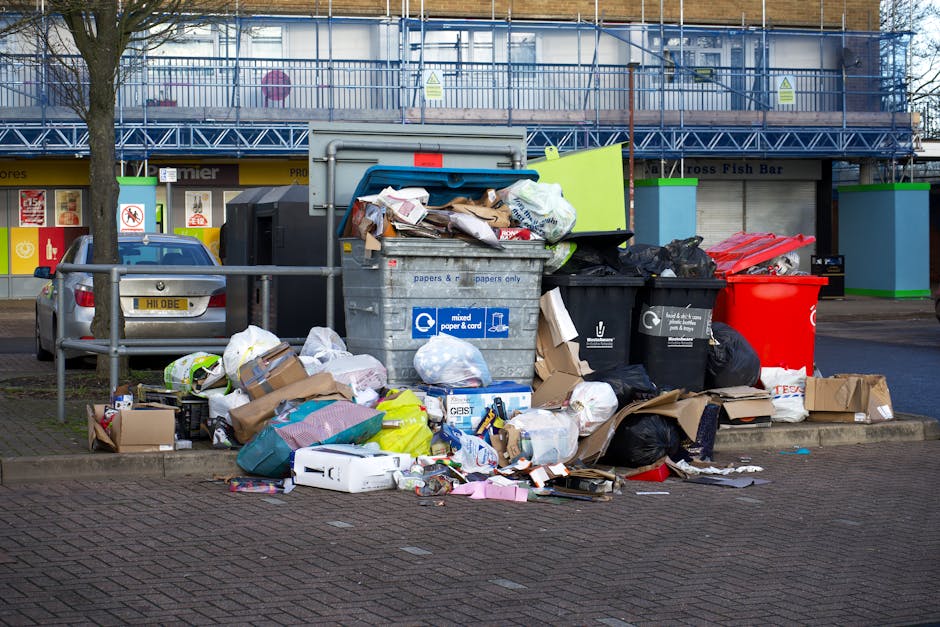
Westminster Council rules for disposing Pimlico waste: a practical guide for households, flats, landlords and local businesses
If you live, work, or manage property in Pimlico, waste disposal can feel deceptively simple until you are standing beside a black bag, a broken chair, a paint tin, or a stack of recycling that does not quite fit the usual routine. The Westminster Council rules for disposing Pimlico waste are there to keep streets clean, reduce fly-tipping, and make sure rubbish is handled safely. But the rules only really help when you know how they apply in day-to-day life.
This guide breaks everything down in plain English. We will look at what the rules mean, how disposal usually works in Westminster, where people go wrong, and how to keep your home, flat, or business compliant without overthinking it. To be fair, waste rules are not the most glamorous topic in Pimlico. Still, they matter more than people realise.
Whether you are clearing out a basement cupboard, moving out of a flat, or trying to manage bulky waste after a refurb, this article will help you make better decisions and avoid costly mistakes.
Table of Contents
- Why Westminster Council rules for disposing Pimlico waste matters
- How Westminster Council rules for disposing Pimlico waste works
- Key benefits and practical advantages
- Who this is for and when it makes sense
- Step-by-step guidance
- Expert tips for better results
- Common mistakes to avoid
- Tools, resources and recommendations
- Law, compliance, standards, or best practice
- Options, methods, or comparison table
- Case study or real-world example
- Practical checklist
- Conclusion
- Frequently asked questions
Why Westminster Council rules for disposing Pimlico waste Matters
Waste disposal rules are not just about keeping the pavements tidy. In a place like Pimlico, where you have mansion blocks, mews properties, converted flats, and busy commercial spaces close together, one person's waste problem can become everyone's problem very quickly. A bin left out too early can attract litter. An overloaded sack can split on the pavement. A sofa dumped beside a wall can sit there for days, looking awful and encouraging more fly-tipping around it. You know the sort of thing.
Following the Westminster Council rules for disposing Pimlico waste helps with three big things:
- Cleaner streets: rubbish is less likely to spill, smell, or blow around.
- Better compliance: you reduce the risk of leaving waste out incorrectly or disposing of restricted items in the wrong way.
- Less stress for residents and landlords: everyone knows what goes where, which matters a lot in shared buildings.
There is also a wider local benefit. Pimlico has a very lived-in feel, with people coming and going all day. When waste is handled properly, the area feels calmer, safer, and more cared for. That sounds small, but in practice it affects everything from kerb appeal to neighbour relations.
If you are interested in how everyday local living shapes the neighbourhood, you may also find our piece on local living in Pimlico useful. It gives a nice sense of why practical routines, including waste disposal, matter in this part of London.
How Westminster Council rules for disposing Pimlico waste Works
The basic idea is straightforward: household waste, recycling, bulky items, garden waste, and business waste each have different handling expectations. In Westminster, as in most London boroughs, the council expects residents and businesses to separate waste properly and present it at the right time, in the right container, and in the right format.
For Pimlico residents, the most common disposal scenarios usually fall into a few buckets:
- General household rubbish: everyday non-recyclable waste, bagged and put out according to local collection arrangements.
- Recycling: clean, dry recyclable materials separated from general waste.
- Bulky waste: larger items such as furniture, mattresses, or broken appliances that usually need a separate collection or approved disposal route.
- Hazardous or specialist waste: items like paint, chemicals, batteries, electricals, or sharps, which require special handling.
- Commercial waste: rubbish from offices, shops, hospitality venues, or managed premises, which is usually handled through a separate waste contractor rather than normal household collections.
In practical terms, the "how" comes down to preparation and timing. If you put out the wrong thing at the wrong time, it can be left behind, rejected, or simply cause a nuisance. And if a bag tears open on a wet morning near Warwick Way, the whole street notices. Trust me, nobody wants that at 7:30 a.m.
For people who are planning a clear-out, our SW1V spring cleaning checklist for Pimlico homeowners can help you organise the job before the waste even reaches the kerb.
Typical disposal expectations you should keep in mind
While exact arrangements can vary by building and street, the usual expectations are:
- Do not place waste out too early.
- Use the correct bin or sack type where applicable.
- Keep recycling clean and uncontaminated.
- Do not mix hazardous items with household rubbish.
- Arrange special removal for bulky or awkward items.
- Never leave items on the street without checking the approved route first.
That last one sounds obvious, but it is where many problems begin.
Key Benefits and Practical Advantages
People often think of waste rules as a restriction, but in practice they give you a better system to work with. The main advantage is predictability. Once you understand the local rhythm, disposal becomes easier, faster, and less messy.
| Approach | What it is | Why it helps | Main drawback |
|---|---|---|---|
| Follow normal household collections | Bag and sort waste correctly for routine pickup | Simple, familiar, low-effort | Not suitable for bulky or specialist items |
| Use separate disposal for bulky items | Arrange collection or approved removal for larger waste | Keeps pavements clear and avoids rejected items | Needs planning and sometimes an extra cost |
| Use specialist handling for hazardous waste | Store and dispose of restricted items safely | Reduces safety risk and legal issues | Requires more care and attention |
| Use a professional clearance or cleaning service | Have items sorted and removed as part of a larger property clean | Good for end-of-tenancy, refurbishment, or overfilled homes | May be more expensive than self-managed disposal |
There is another practical advantage people forget: less clutter inside the property. In a flat, waste accumulates quickly. One extra pile in the hallway becomes two. Suddenly the loft is full, the cupboard under the stairs is half unusable, and the bag you meant to take out three days ago is still there. A better disposal routine makes the place feel lighter, almost instantly.
If you are juggling disposal alongside a broader property reset, our end of tenancy cleaning in Pimlico service information may be helpful, especially if you want the exit to feel less chaotic.
Who This Is For and When It Makes Sense
This topic matters to more people than you might think. If you live in Pimlico, work in Pimlico, or manage property there, the rules affect you in different ways.
Homeowners and tenants
If you are a tenant in a flat, your biggest issue is often shared space. One person in the building may put bins out in the wrong place or at the wrong time, and then everyone gets the same unpleasant view. Homeowners, meanwhile, may have more control over disposal but also more responsibility when arranging bulky waste or clear-outs.
Landlords and letting agents
Landlords often deal with waste problems at the end of a tenancy, especially when a tenant leaves furniture, broken items, or mixed rubbish behind. A clear process helps protect the property and keeps the turnaround faster. In our experience, the smoother handover usually comes from planning waste removal before the cleaners arrive, not after.
Businesses and office managers
Commercial waste is a separate issue. Shops, cafes, offices, and managed buildings should not assume household collection rules will apply. If you are running a workspace near Victoria or along the wider Westminster area, proper waste handling is part of basic operations, not an optional extra.
People preparing for a move or deep clean
Move-outs, refurbishments, and seasonal clear-outs create waste in awkward bursts. That is when people are most likely to make mistakes because the pile grows faster than the plan. A little structure helps a lot.
For local context around property decisions, you may also want to read our Pimlico property investment guide, which touches on how upkeep and presentation affect long-term value.
Step-by-Step Guidance
If you want to dispose of waste in Pimlico without second-guessing yourself, use a simple sequence. It keeps the process calm, and frankly that is half the battle.
- Identify the waste type. Is it general rubbish, recycling, bulky waste, electrical equipment, or something potentially hazardous?
- Separate items properly. Do not mix recyclables with food waste, liquids, or general rubbish.
- Check whether the item needs special handling. Things like mattresses, paint, fridges, batteries, and old electronics often need more than a regular bin.
- Decide on the disposal route. That may be routine collection, a bulky item collection, a professional removal service, or another approved method.
- Prepare the items safely. Seal bags, tape sharp edges, empty containers where appropriate, and keep items dry if they need to be recycled.
- Place waste out at the right time and location. Shared entrances, front steps, and narrow pavements can be tricky, so avoid blocking access.
- Confirm everything has gone. If a collection is missed, do not leave things out indefinitely. Bring them back in and rearrange properly.
A realistic example: you are decluttering a Pimlico flat after years of "I'll deal with that later." There are old books, a bedside table, a broken lamp, some cleaning chemicals under the sink, and several bags of mixed rubbish. The right move is not to make one giant pile and hope for the best. Sort it first. Then handle the chemicals and electricals separately. Then arrange bulky removal for the furniture. It takes longer on paper, but less time in the real world because you avoid failed disposal attempts.
If you are also planning a deep clean, our article on cleaning tips for flats near Tate Britain in Pimlico has a few practical ideas that pair well with a proper waste clear-out.
Expert Tips for Better Results
Here is the bit people usually want: the small habits that make disposal easier. Nothing fancy. Just better judgment.
- Start with one room at a time. Waste decisions are easier when they are not spread across the whole flat.
- Keep a separate box for specialist items. Batteries, chargers, cables, and small electronics all drift into one another if you are not careful.
- Flatten packaging where possible. Cardboard and large packaging become much easier to manage when compact.
- Do not wait for the "perfect" disposal moment. That moment rarely arrives. Aim for the next sensible one.
- Label bags or boxes when you are sorting a bigger clear-out. It saves time later, especially if someone else is helping.
- Be careful with moisture. Damp cardboard, mouldy soft furnishings, and water-damaged items need more attention than a normal bag-and-bin approach.
One small but useful trick: if your building has limited space, line up disposal decisions with your cleaning schedule. If you are already vacuuming, wiping, and clearing surfaces, it is much easier to remove waste at the same time instead of creating a second job for yourself. Lazy? Maybe a little. Efficient? Absolutely.
And if you have a basement flat or a space prone to damp, our guide to mould removal solutions for basement flats in Pimlico may help you avoid keeping damaged items around longer than you should.
Common Mistakes to Avoid
Most waste problems in Pimlico come from a handful of repeat mistakes. The good news is that they are easy to avoid once you know them.
- Leaving waste out too early: this is one of the quickest ways to create clutter, attract pests, or annoy neighbours.
- Mixing waste streams: contaminated recycling is a classic error, especially when people are rushing.
- Dumping bulky items beside bins: if an item does not fit the usual collection, it usually needs a different route.
- Ignoring hazardous waste rules: paint, chemicals, batteries, and sharp objects should never be treated like ordinary rubbish.
- Assuming one building's practice is council-approved: just because neighbours do something does not mean it is correct.
- Forgetting about landlord or managing agent instructions: in many blocks, building rules are stricter than people expect.
Another one, and this catches people out all the time: putting something by the street "just for an hour" because you are waiting on a friend, a lift, or a collection. That hour can become a day. Then it is a nuisance. Then somebody else reports it. Not ideal.
Tools, Resources and Recommendations
You do not need a complicated system to manage waste properly, but a few simple tools make a real difference.
- Sturdy bin bags: use bags that will not split halfway down the stairs.
- Reusable crates or boxes: useful for sorting recycling, cables, and small household items.
- Labels or markers: handy if multiple people are clearing the same property.
- Gloves: especially useful for loft clear-outs, cellar spaces, and old storage cupboards.
- Tape and scissors: good for sealing sharp or awkward items safely.
- Checklists: simple, but incredibly effective when you are working through several waste categories.
For households that are also refreshing carpets, upholstery, or whole rooms, it can make sense to coordinate disposal with cleaning rather than treating them separately. If that sounds relevant, have a look at our services overview to see how different cleaning and property care needs fit together.
When people ask what else to keep in mind, the answer is usually: space, timing, and sorting. That is the trio. Get those right and the rest is much easier.
Law, Compliance, Standards, or Best Practice
This section deserves a careful tone. Waste disposal is one of those everyday areas where local practice, property rules, and wider legal duties overlap. You do not need to memorise legislation to behave correctly, but you do need to respect the basic principles: do not fly-tip, do not dispose of restricted items casually, and do not make waste someone else's problem.
For households, compliance usually means following council collection arrangements, using the right containers, and separating waste properly. For landlords and businesses, there can be extra obligations around storage, collection contracts, and how waste is transferred or handled. The details vary, so if you are responsible for a property or premises, it is sensible to check the applicable Westminster guidance directly and keep records where needed.
As a best-practice matter, think in terms of safety and traceability:
- Keep waste contained until it is collected or removed.
- Do not overfill sacks beyond what can be safely handled.
- Store hazardous or sharp items separately.
- Use licensed or appropriately managed services for specialist waste streams.
- Avoid leaving items in communal areas longer than necessary.
That is the practical side. The legal side can get more technical depending on the waste type, but the general rule is simple enough: if you are unsure, err on the side of safer, more controlled disposal rather than improvising.
Options, Methods, or Comparison Table
Different waste types call for different methods. Here is a clear comparison that should help you choose the right route without overcomplicating it.
| Waste type | Best disposal method | When to use it | Watch out for |
|---|---|---|---|
| General household waste | Routine council collection | Everyday non-recyclable rubbish | Overfilled bags and missed collection times |
| Dry recycling | Separate recycling collection | Clean paper, card, plastics, cans, and similar materials | Food residue, liquids, and contamination |
| Bulky furniture | Bulky waste collection or professional removal | Sofas, beds, wardrobes, large broken items | Leaving items in the street without arranging removal |
| Electricals | Specialist or approved disposal route | TVs, kettles, small appliances, cables | Mixing with general rubbish |
| Hazardous items | Special handling | Paint, chemicals, sharps, batteries | Unsafe storage and accidental leaks |
| Commercial waste | Business waste contractor | Offices, shops, hospitality and managed premises | Using household bins for business rubbish |
If you are moving out or preparing a property for new occupants, it can also help to pair disposal with a professional clean. For example, our house cleaning in Pimlico and domestic cleaning in Pimlico pages may be useful if the space needs a reset after the rubbish has gone.
Case Study or Real-World Example
Here is a realistic Pimlico scenario. A tenant in a first-floor flat is leaving after a three-year stay. Over time, the flat has accumulated a battered desk, an old fan, several bags of mixed clutter, a few paint tins from a touch-up job, and a surprising number of cables nobody can identify. Classic situation, really.
At first, the temptation is to put everything out together on the pavement and assume it will be sorted eventually. But that creates three problems: the bulky items may be left behind, the paint tins may be treated as unsuitable waste, and the mixed bags can spill or split before collection. The smarter approach is to sort the items into categories first, then arrange the appropriate disposal method for each type.
What changed the outcome in this case was not a fancy process. It was simple structure:
- The desk and fan were set aside for bulky removal.
- The paint tins were separated and handled more carefully.
- The cables and electrical bits were grouped together.
- The remaining clutter was bagged properly.
- The flat was cleaned only after the waste plan was in place.
The result was a faster handover, less mess, and fewer last-minute surprises. That is usually how it goes. Not exciting, but effective.
Practical Checklist
Use this checklist before you put anything out for disposal in Pimlico.
- Have I identified the waste type correctly?
- Does any item need special handling?
- Have I separated recycling from general rubbish?
- Are bags sealed and not too heavy?
- Am I confident the disposal time is correct?
- Will the waste block the pavement, entrance, or communal access?
- Have I checked for items that should not go into normal bins?
- Do I need bulky item removal instead?
- Is there any sharp, wet, or leaking material that needs extra care?
- Have I planned what happens if the collection is missed?
Keep it simple. If you can answer all ten without hesitation, you are in a good place.
Conclusion
The Westminster Council rules for disposing Pimlico waste are really about making daily life safer, tidier, and more manageable. Once you understand the basics, waste disposal stops being a nuisance and starts becoming a routine you can trust. That matters in a place like Pimlico, where space is precious and shared streets leave very little room for sloppy habits.
The main thing to remember is this: sort waste properly, choose the right disposal route, and do not leave awkward items to "deal with later." That one habit saves a lot of frustration. It also makes flats, homes, and businesses feel more looked after, which is no small thing in a neighbourhood where presentation and practicality go hand in hand.
If you are planning a clear-out, a move, or a deep clean, it is worth getting the waste side in order first. Everything else tends to go smoother after that.
Get a free quote today and see how much you can save.
Sometimes the smallest bit of order creates the biggest sense of calm. And in Pimlico, calm is worth keeping.
Frequently Asked Questions
What are the Westminster Council rules for disposing Pimlico waste in simple terms?
In simple terms, you should sort waste correctly, use the right bin or collection method, and avoid leaving items out in a way that creates mess or obstruction. General rubbish, recycling, bulky waste, and hazardous items are usually handled differently.
Can I leave bulky items beside the bins in Pimlico?
Usually, no. Bulky items often need a separate collection or an approved disposal route. Leaving them beside bins can lead to rejection, complaints, or fly-tipping concerns. It is better to arrange removal properly.
What counts as hazardous waste in a flat or house?
Common examples include paint, certain chemicals, batteries, sharps, and some electrical items. If something could leak, burn, puncture, or cause contamination, treat it carefully and do not mix it with normal rubbish.
Do recycling rules matter if the item is small?
Yes, they still matter. Small items like cans, bottles, card, and packaging can contaminate recycling if they are dirty or mixed with general waste. Clean, dry recycling is usually the safest bet.
What should landlords do about waste left after a tenancy?
Landlords should deal with leftover waste quickly and safely, especially if items are blocking access or creating a nuisance. A structured clearance plan followed by a proper clean is usually the easiest route.
How do businesses in Pimlico handle waste differently from households?
Businesses usually need a separate commercial waste arrangement. They should not assume household collections apply. Offices, shops, and hospitality premises often need a contracted waste service or a clearly defined disposal process.
Is it okay to put rubbish out the night before collection?
That depends on local arrangements and building rules. In many places, putting waste out too early can be discouraged because it can cause street clutter, mess, or pest issues. Check the permitted collection timing and keep it tight.
What is the safest way to get rid of old electronics?
Keep them separate from general rubbish and use an approved disposal route. Cables, chargers, small appliances, and larger electricals can all need different handling, so do not lump them together.
What if I am clearing a basement flat with damp or mouldy items?
Handle those items cautiously. Damp or mould-affected materials may need to be bagged or removed in a way that limits spread and contamination. If in doubt, separate them from normal household waste and deal with them early in the process.
How can I avoid waste problems during a flat move in Pimlico?
Start sorting early, label what is being kept or discarded, and arrange disposal before moving day. The biggest mistake people make is leaving waste decisions until the end, when time is short and stress is high.
Do I need professional help for a one-off clear-out?
Not always, but it can be very helpful if you have bulky items, mixed waste, or tight timeframes. A professional service can save time and reduce the risk of disposal mistakes, especially in shared buildings or end-of-tenancy situations.
Where does cleaning fit into waste disposal planning?
Cleaning works best after the waste plan is sorted. Remove clutter first, then clean properly. If you do it the other way round, you often end up cleaning twice. Nobody really wants that.